


Body Image & Food Struggles
Struggling with your relationship with food or your body can feel exhausting, confusing, and isolating. Whether it’s constant thoughts about food, cycles of restriction or bingeing, or never feeling “good enough” in your body, you’re not alone. AND, it doesn’t have to stay this way.
We offer compassionate, evidence-based eating disorder and body image therapy to help you rebuild trust with your body, food, and yourself.
Symptoms you may be experiencing
Constant thoughts about food, calories, or weight
Feeling like your self-worth is tied to your appearance
Restricting food or labeling foods as “good” or “bad”
Over-exercising to “compensate” for eating
Body checking or avoiding mirrors altogether
Not feeling like “you” when it comes to your body
Even if you don’t have a formal diagnosis, your experience is valid and deserves support.
For many people, disordered eating develops as a way to cope with:
Anxiety, overwhelm, or feeling out of control
Perfectionism and high self-expectations
Low self-worth or body image struggles
Life transitions, grief, or loss
Family dynamics or early experiences around food and body
Cultural and societal pressure around appearance
Eating disorders are not about lack of willpower. Instead, they’re often rooted in deeper emotional and psychological experiences.
Why This Happens
You don’t need a diagnosis to feel stuck in your relationship with your body. For many people, body image concerns show up quietly—but persistently—impacting confidence, mood, and daily life.
It might look like constantly thinking about how you look, avoiding photos, comparing yourself to others, or feeling like your self-worth is tied to your appearance. Even if these thoughts feel “normal,” they can take up a significant amount of mental space and keep you from feeling fully present in your life.
You might notice:
Harsh or critical self-talk about your body
Avoiding mirrors… or checking them constantly
Feeling uncomfortable being seen or photographed
Comparing your body to others throughout the day
Believing you’ll feel better about yourself once your body changes
Difficulty accepting natural body changes
Body Image Struggles (Even Without an Eating Disorder)
Body image struggles are often connected to anxiety, perfectionism, and past experiences—not just appearance. And they’re something you can work through with the right support.
Therapy for body image isn’t about forcing yourself to love your body overnight. It’s about creating a more neutral, respectful, and sustainable relationship with yourself.
In our work together, we’ll focus on:
Reducing obsessive or critical thoughts about your body
Challenging comparison patterns and unrealistic standards
Building self-worth that isn’t dependent on appearance
Increasing comfort being seen and engaged in your life
Developing self-compassion and a more supportive inner voice

How Therapy Can Help You
Eating disorder recovery isn’t about “just eating normally.” It’s about healing your relationship with food, your body, and yourself.
In therapy, we’ll work together to:
Reduce food anxiety and obsessive thoughts
Break cycles of restriction, bingeing, or emotional eating
Build a more flexible, balanced approach to eating
Develop coping skills that don’t rely on food or control
Improve body image and self-compassion
Understand the why behind your patterns
Reconnect with your body’s cues and needs
We use evidence-based approaches like CBT, DBT, and ACT, tailored to you, not a one-size-fits-all plan.
We know how vulnerable it can feel to talk about food and body image. Our approach is warm, nonjudgmental, and grounded in real-life change, not perfection.
Why Choose Us
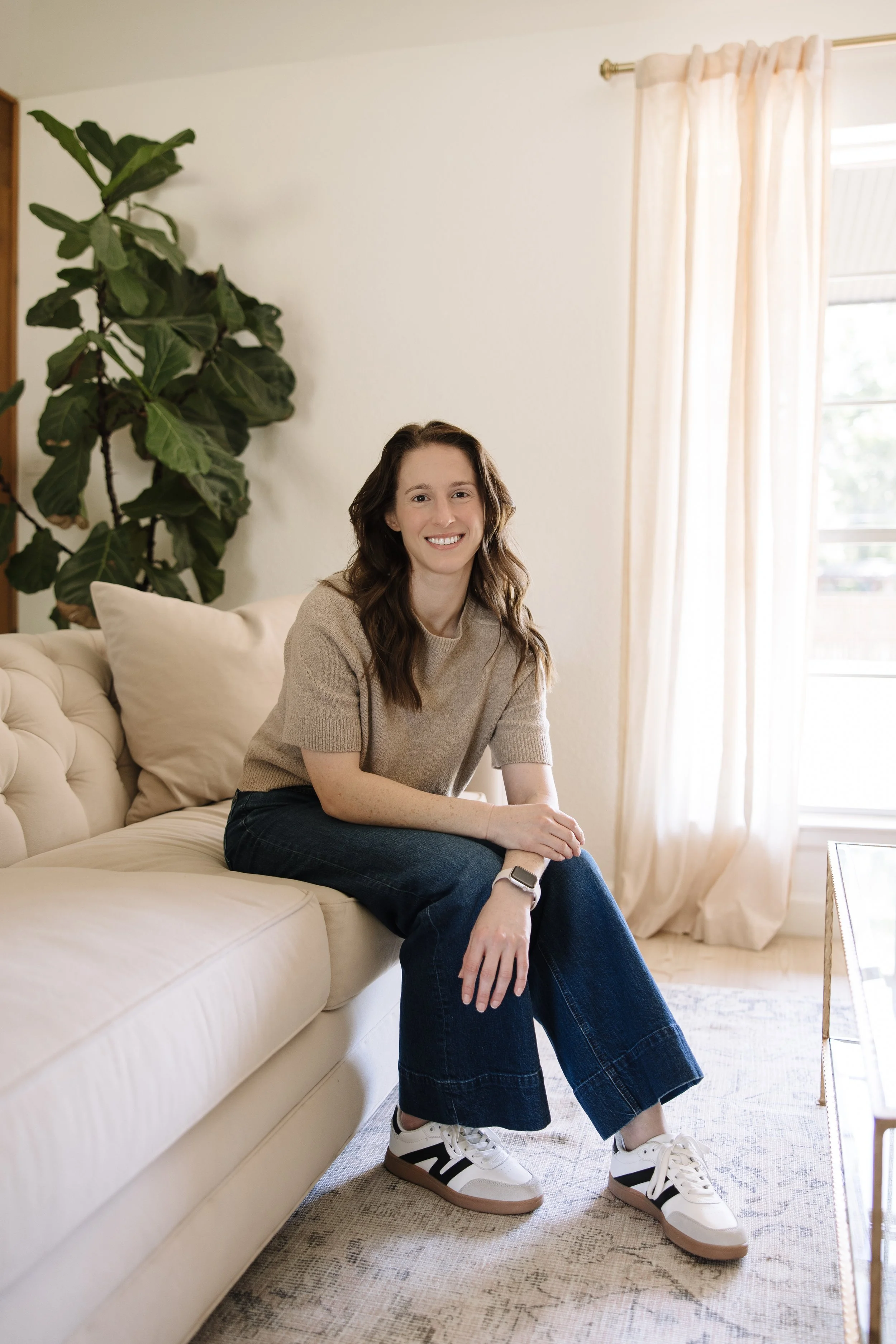
Kristin has an extensive history working with disordered eating, body image, and the mood disorders that come along with them.
She is a part of the Houston Eating Disorder Specialists (HEDS), and has worked across multiple levels of care including support groups, Intensive Outpatient (IOP), and Partial Hospitalization (PHP), supporting individuals, families, and groups through meaningful and lasting change.